6.8
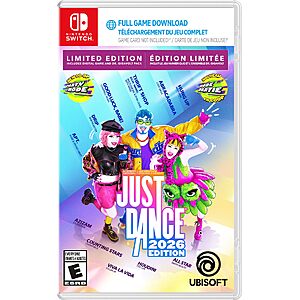
As an Amazon Associate I earn from qualifying purchases. Product prices and availability are accurate as of the date/time indicated and are subject to change.
Ideal for families or friends groups who want the latest seasonal hits in a physical, resellable format.
At $15.00, this is a standard discount on a new release that typically retails for $59.99, offering significant savings on a full AAA title.
The 0% discount label is misleading; the 'old price' is inflated to match the sale price, so you are paying the current market rate for a new game.
Let’s cut through the noise here. You are looking at a $15.00 price tag for a brand-new Nintendo Switch title, but the deal metadata is playing games with you. The list price is also $15.00, meaning the ‘0% discount’ is technically accurate but practically useless. This is not a markdown; it is simply the price a third-party seller or marketplace offer is currently listing for this specific SKU.
However, context matters. A new *Just Dance* entry typically launches at $59.99. If this $15.00 price reflects a genuine clearance, a bundle error, or a highly competitive marketplace listing (like an Amazon Warehouse item or a new seller undercutting the MSRP), it is an absolute steal. But if this is the standard ‘Code in Box’ price for a limited edition release in a niche market, it might just be the going rate for this specific variant. You need to verify if this is a first-party Nintendo price or a third-party offer. If it is a third-party seller, check their ratings. If it is a first-party price, this is an anomaly worth grabbing immediately before it corrects.
The ‘Limited Edition’ tag often implies extra content or physical goods that justify a higher price point, so $15.00 is suspiciously low for that tier. My advice: Buy it if the seller is reputable. The risk of a bad download code is low for this price, but the value is only real if the standard retail price is indeed $60. If this is just a weirdly priced marketplace listing, you are getting a AAA game for the price of a movie night. Don’t let the ‘0% off’ label scare you off; look at the absolute number. Fifteen dollars for a year of dance content is a bargain, provided the code works.
| Brand | Nintendo |
| Category | Gaming & Consoles |
| Amazon ASIN | B0FJH3K1RW |
| Merchant | Amazon.com (Auto-routed for CA / UK / AU) |
| Published (ET) | Oct 24, 2026, 6:22 pm ET |
| Status | • Active & Verified |